Views: 34 Author: Site Editor Publish Time: 2026-06-11 Origin: Site
Home fragrance products have become an important part of modern indoor living. Many people use scented candles or essential oil diffusers to create a relaxing atmosphere, improve comfort, and make indoor spaces feel more inviting.
In this guide, we’ll explore:
the difference between diffusers and candles
air quality considerations
safety comparisons
aromatherapy benefits
fragrance performance
which option works better for dry indoor environments
Although both products are designed to make indoor spaces smell pleasant, they work in completely different ways.
Scented candles release fragrance by burning wax with an open flame.
As the wax melts, fragrance oils evaporate into the surrounding air.
Common candle materials include:
paraffin wax
soy wax
beeswax
fragrance oils
Candles are often associated with:
cozy ambiance
warm lighting
decorative aesthetics
relaxation
However, because candles rely on combustion, they may also release:
smoke particles
soot
volatile organic compounds (VOCs)
combustion byproducts
The amount varies depending on the candle type, ingredients, ventilation, and burn duration.

Diffusers disperse fragrance without combustion.
Most essential oil diffusers use:
ultrasonic vibration
water-based mist
airflow technology
to distribute aroma into the air.
Popular diffuser types include:
ultrasonic diffusers
reed diffusers
nebulizing diffusers
cool mist aroma diffusers
Unlike candles, diffusers do not require:
fire
melting wax
burning materials
This is one reason many users consider diffusers a cleaner and safer fragrance option for indoor environments.
Some modern humidifier diffusers also combine:
air moisture support
essential oil diffusion
cool mist technology
into one device.

One of the biggest reasons people compare diffusers vs candles is indoor air quality.
As people become more aware of airborne pollutants and respiratory comfort, the impact of fragrance products on indoor environments has become an increasingly discussed topic.
Candles produce fragrance through combustion, which means burning occurs continuously while the candle is lit.
Depending on the candle ingredients and ventilation conditions, burning candles may release:
soot particles
smoke
VOCs
fine particulate matter
Some paraffin candles may produce more soot compared to cleaner-burning alternatives like soy or beeswax candles.
Poor ventilation may increase indoor accumulation of:
smoke residue
fragrance chemicals
airborne particles
For some sensitive individuals, prolonged exposure to candle smoke may contribute to:
respiratory irritation
throat discomfort
headaches
indoor air discomfort
This is why many users search:
are candles bad for indoor air quality
are scented candles toxic
candle smoke harmful
candle soot dangerous
Not all candles create the same amount of emissions, but combustion naturally introduces particles into the air.

Essential oil diffusers do not rely on combustion, so they generally avoid:
smoke production
soot formation
flame-related emissions
Ultrasonic diffusers disperse fine mist into the air using vibration technology rather than heat or fire.
This flame-free fragrance process is often viewed as:
cleaner
lower emission
more suitable for everyday use
Many users consider diffusers a better option for:
bedrooms
offices
small indoor spaces
homes with limited ventilation
Because no burning occurs, diffusers are commonly associated with:
reduced indoor smoke exposure
cleaner fragrance dispersion
more controlled aroma intensity
However, essential oils themselves should still be used carefully, especially around:
pets
infants
sensitive individuals
Indoor air quality depends on multiple factors, including:
ventilation
fragrance concentration
product quality
room size
duration of use

Safety is another major reason why people compare candles vs diffusers.
While candles create a warm visual atmosphere, they also involve open flame and heat, which naturally introduces certain risks.
Candles require continuous flame during use.
Potential candle risks may include:
accidental fire
hot wax burns
smoke exposure
overheating nearby objects
Leaving candles unattended can increase fire hazards, especially around:
curtains
bedding
wooden furniture
paper materials
Households with:
pets
children
elderly family members
often prefer extra caution when using open-flame products indoors.
This is one reason why many users search:
diffuser safer than candle
candle vs diffuser for bedroom
safest home fragrance option
Most ultrasonic diffusers and humidifier diffusers operate without flame.
Potential diffuser safety benefits include:
no combustion
lower fire risk
cooler operation
automatic shut-off functions
safer overnight use
Many modern aroma diffusers include:
timer settings
water shortage protection
auto-off safety systems
These features make diffusers popular for:
bedrooms
offices
nighttime use
relaxation spaces
For people who prioritize flame-free fragrance solutions, diffusers are often viewed as the safer everyday option.

Longevity is another important factor when comparing diffuser vs candle products.
A candle lasts only while wax remains available for burning.
Burn time depends on:
candle size
wax quality
wick design
burn duration
Once the wax is consumed, the candle must be replaced entirely.
Frequent candle users may go through multiple candles within a short period.
Essential oil diffusers themselves are reusable devices.
Users only need to refill:
water
essential oils
This allows continuous long-term use without replacing the entire unit.
Many people view diffusers as:
more cost-efficient over time
easier for daily fragrance use
more flexible for scent customization
Users can also change:
essential oil blends
aroma intensity
operation duration
more easily compared to traditional candles.
Aromatherapy is one of the biggest reasons people choose diffusers instead of candles.
Diffusers are specifically designed for dispersing essential oils into indoor air.
Popular aromatherapy oils include:
lavender
eucalyptus
peppermint
lemon
tea tree
chamomile
People commonly use aromatherapy diffusers for:
relaxation
stress relief
sleep support
meditation
creating a calming atmosphere
Because ultrasonic diffusers disperse essential oils through fine mist, they allow more direct aroma diffusion without burning the oils.
This is one reason many users believe diffusers provide a stronger aromatherapy experience than candles.
Candles also create pleasant scents and relaxing ambiance, but the fragrance experience is different.
Many users enjoy candles because of:
soft lighting
visual warmth
decorative appearance
cozy atmosphere
However, candle fragrance often depends on:
wax melting speed
room airflow
burn consistency
Compared to diffusers, candles may provide:
slower scent release
less aroma customization
shorter fragrance duration
That said, personal preference still plays a major role in choosing between the two.
Many people use fragrance products as part of their nighttime routine to create a calmer and more comfortable sleeping environment.
Both candles and diffusers can contribute to relaxation, but they create different experiences.
Candles are often associated with:
warm lighting
cozy environments
spa-like atmosphere
visual relaxation
The flickering flame can create a comforting mood that many people enjoy during:
evening routines
meditation
bathing
quiet indoor activities
For some users, the visual aspect of candles plays a major role in relaxation.
However, because candles require active flame, many people avoid leaving them burning while sleeping.
This is why candles are often used temporarily before bedtime rather than throughout the night.
Diffusers are commonly preferred for longer nighttime use because they operate without open flame.
Many essential oil diffusers include:
timer functions
intermittent mist modes
automatic shut-off systems
This makes them convenient for:
bedrooms
overnight aromatherapy
sleep-focused environments
Popular essential oils for relaxation include:
lavender
cedarwood
chamomile
sandalwood
Many people searching:
diffuser or candle better for sleep
best bedroom fragrance option
diffuser for relaxation
are specifically looking for a fragrance solution that feels calming without introducing smoke or fire risk.
Because diffusers continuously disperse aroma over time, they are often associated with:
more stable fragrance distribution
longer-lasting aroma
quieter nighttime comfort
This is one area where diffusers may offer an additional advantage, especially when comparing modern humidifier diffuser systems to traditional candles.
Candles mainly provide:
fragrance
lighting
atmosphere
However, they do not improve indoor humidity.
In some environments, prolonged heating systems and dry winter air may already reduce indoor moisture levels significantly.
Dry indoor air may contribute to:
dry throat
dry skin
irritated nasal passages
respiratory discomfort
Candles do not directly address these conditions.
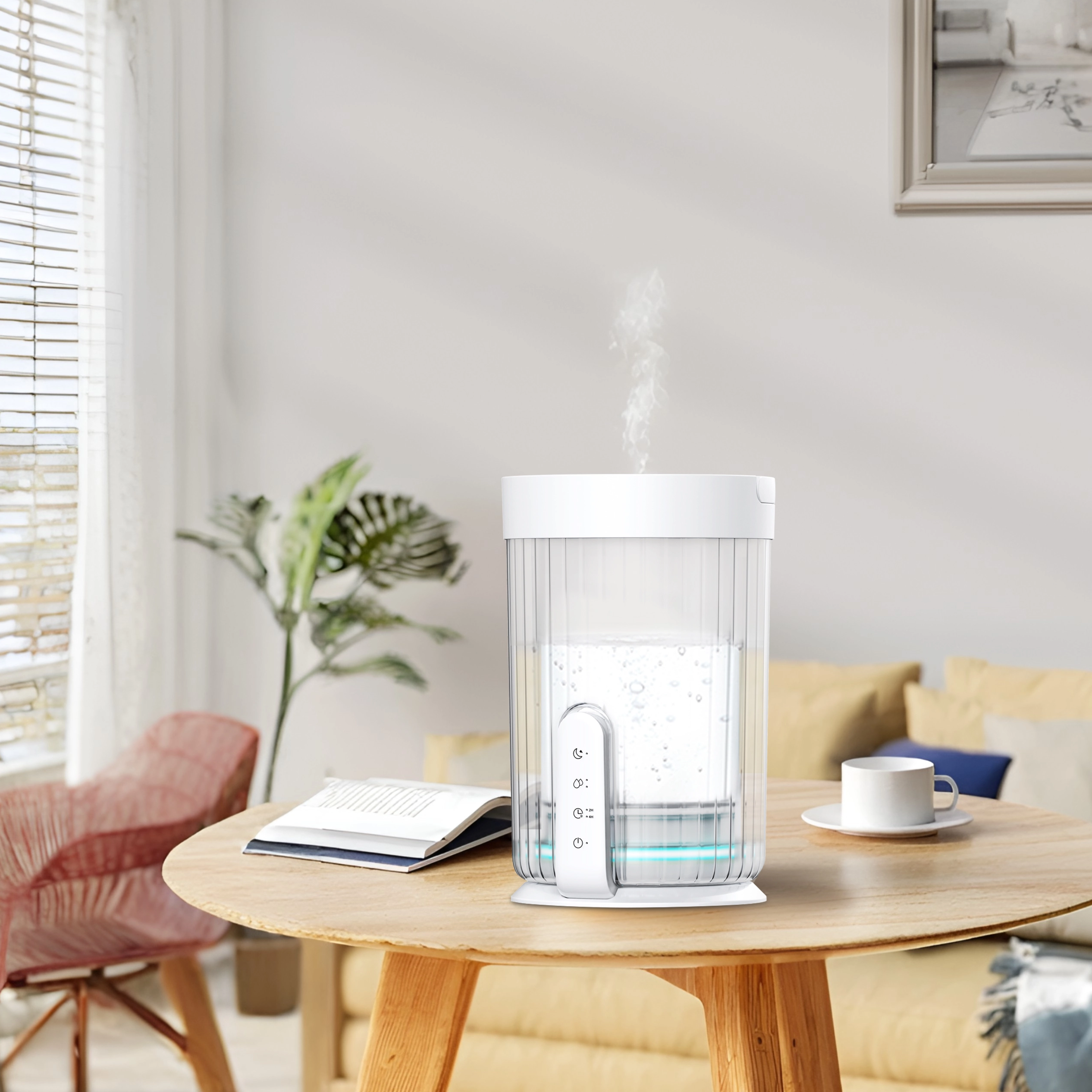
Some ultrasonic diffusers and humidifier diffusers disperse water-based mist while also diffusing essential oils.
This means they may help support:
indoor moisture balance
fragrance diffusion
improved comfort in dry environments
Many people now prefer cool mist aroma diffuser systems because they combine:
aromatherapy
humidity support
flame-free operation
modern indoor comfort
This is especially popular during:
winter months
heating season
air-conditioned indoor environments
For users searching:
humidifier diffuser combo
aroma diffuser humidifier
cool mist diffuser
the goal is often creating a fresher and more comfortable indoor atmosphere rather than fragrance alone.
This is one of the most frequently searched questions related to diffusers and humidifiers.
The answer depends on the humidifier design.
Traditional humidifiers are mainly designed to increase indoor humidity.
Some standard humidifiers should not be used with essential oils because oils may:
damage internal components
clog mist systems
affect filters
reduce product lifespan
Always follow manufacturer recommendations before adding oils.
Modern aroma humidifier systems are specifically engineered to support both:
humidification
essential oil diffusion
These products combine:
cool mist technology
fragrance dispersion
indoor comfort enhancement
into one device.
Many users prefer these multifunction systems because they provide:
moisture support during dry seasons
aromatherapy benefits
flame-free fragrance
cleaner indoor comfort
This product category has become increasingly popular in:
bedrooms
offices
wellness spaces
modern home environments

There is no single answer that fits every lifestyle because both products offer different experiences.
visual ambiance
decorative atmosphere
cozy lighting
short-term relaxation rituals
flame-free fragrance
long-term daily use
aromatherapy
bedrooms and offices
indoor air comfort
overnight operation
For users focused on:
indoor air quality
lower smoke exposure
safer nighttime use
modern wellness routines
diffusers are often viewed as the more practical option.
Meanwhile, candles remain popular for their aesthetic and emotional atmosphere.
The best choice ultimately depends on:
personal preference
room environment
fragrance goals
safety priorities
lifestyle habits
The comparison between diffuser vs candle goes far beyond scent alone.
Candles create warmth, ambiance, and visual comfort through flame and melted wax, while diffusers provide fragrance through flame-free aroma dispersion.
As more people focus on indoor air quality, respiratory comfort, and safer home environments, diffusers have become increasingly popular for everyday use, especially in bedrooms and enclosed indoor spaces.
Diffusers may offer advantages such as:
lower smoke exposure
no soot production
flame-free operation
longer fragrance flexibility
aromatherapy compatibility
In addition, some modern humidifier diffuser systems now combine essential oil diffusion with cool mist humidification to help create a more comfortable indoor environment during dry seasons.
For users who want both fragrance and improved indoor comfort, these multifunction aroma humidifier solutions provide a modern alternative to traditional scented candles.
Looking for customized humidifier diffuser solutions with aromatherapy compatibility and modern indoor comfort features? Contact Smillon at Jelly.wang@smillon.com to explore OEM/ODM aroma humidifier solutions for your brand.
Burning candles may release soot, smoke particles, and VOCs depending on the candle ingredients and ventilation conditions. Some people prefer diffusers because they disperse fragrance without combustion.
Many users consider diffusers a cleaner option because they operate without flame or smoke. However, indoor air quality also depends on proper ventilation, fragrance concentration, and product quality.
Diffusers are often considered safer because they do not require open flame. Many modern diffusers also include automatic shut-off features for additional safety.
In some cases, candle smoke or fragrance compounds may contribute to respiratory irritation, especially for sensitive individuals or in poorly ventilated spaces.
Diffusers are reusable devices that only require water and essential oils for continued use, while candles must be replaced once the wax is consumed.
Many people prefer diffusers in bedrooms because they provide flame-free fragrance and can operate safely for longer periods, especially with timer and auto-off features.
No. Some humidifiers are not designed for essential oils and may become damaged. Only use oils in humidifiers specifically designed for aromatherapy compatibility.
A humidifier diffuser combo is a device that combines cool mist humidification with essential oil aroma diffusion to improve indoor comfort and fragrance at the same time.