Views: 34 Author: Site Editor Publish Time: 2026-07-02 Origin: Site
A blocked nose is one of the most common discomforts, especially during winter, dry seasons, or in air-conditioned environments. It can affect sleep quality, breathing comfort, and overall well-being.
Many people turn to a humidifier for blocked nose relief because dry indoor air is often a key contributing factor to nasal congestion. But how exactly does it work, and when is it actually helpful?
A blocked nose is not always caused by illness. In many cases, it is triggered by environmental dryness.
When indoor air lacks sufficient moisture, it can affect the nasal passages in several ways.
The inside of your nose is lined with sensitive mucous membranes that rely on moisture to function properly.
When the air is too dry:
these membranes lose moisture
the nasal tissue becomes irritated
the natural filtering system becomes less efficient
This leads to a feeling of dryness, tightness, or blockage.
Mucus is naturally produced to trap dust, allergens, and particles.
In dry air conditions:
mucus becomes thicker
it moves more slowly through nasal passages
airflow becomes restricted
This is one of the main reasons people feel “stuffy” in dry environments.
When both dryness and mucus thickening occur together, breathing through the nose becomes less smooth.
This is especially noticeable:
at night
in heated rooms
in air-conditioned bedrooms
Winter heating systems
Air-conditioned rooms
Low humidity indoor environments
Closed bedrooms with poor airflow
Long sleep hours in dry air conditions
Dry air does not cause infections, but it can significantly worsen nasal sensitivity and congestion-like symptoms.

A humidifier works by increasing moisture levels in indoor air. This simple environmental adjustment can influence how your respiratory system feels.
When humidity levels are properly maintained, the nasal environment becomes more balanced.
Moist air reduces dryness inside the nose, which helps:
relieve irritation
improve comfort during breathing
support natural nasal function
Proper humidity helps prevent mucus from becoming overly thick.
This can make it easier for the body to:
naturally clear nasal passages
maintain smoother airflow
reduce the feeling of blockage
Many users report that humidified air helps them breathe more comfortably during sleep, especially in dry environments.
This is because:
nasal passages stay hydrated longer
irritation caused by dry air is reduced
breathing becomes more stable throughout the night
Humidifiers do not treat medical conditions, but they help maintain a more comfortable breathing environment when air is too dry.
This is especially important in modern indoor environments where heating and cooling systems reduce natural humidity levels.
Humidity level is the most important factor when using a humidifier for congestion relief.
Too little moisture does not help. Too much moisture may create discomfort.
The generally recommended indoor range is:
40% ~ 50%
Below 30%
air becomes too dry
nasal irritation increases
mucus becomes thicker
Above 60%
air becomes too moist
condensation may appear
indoor discomfort may increase
Maintaining balance is more important than simply increasing humidity.
Humidifiers are most effective when blocked nose symptoms are related to:
dry indoor air
winter heating environments
nighttime dryness
air-conditioned rooms
seasonal low humidity
They are less effective if congestion is caused by:
infections
allergies (without humidity issue)
structural nasal conditions
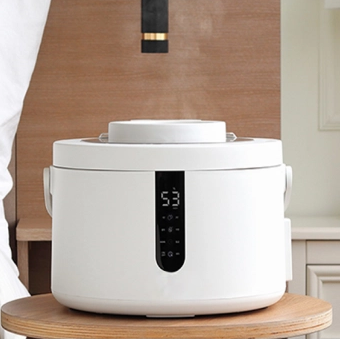
When choosing a humidifier for blocked nose relief, many users wonder whether cool mist or warm mist works better.
Both types increase indoor humidity, but they operate differently.
Cool mist humidifiers release room-temperature moisture into the air using ultrasonic vibration or evaporation.
Key features:
No heating element
Energy efficient
Safe for long-term and nighttime use
Suitable for most indoor environments
Why it helps with congestion:
Cool mist helps maintain stable humidity levels, which supports:
nasal hydration
mucus balance
comfortable breathing during sleep
Warm mist humidifiers heat water and release warm vapor into the air.
Key features:
Produces warm steam
Can feel soothing in cold weather
Often quieter during operation
Why it helps with congestion:
Warm mist may feel more comforting when:
air is cold and dry
nasal passages feel tight or irritated
There is no universal “better” option.
What matters most is:
maintaining correct humidity level
keeping the device clean
using it consistently but not excessively
Both types can support nasal comfort when used correctly.
Using a humidifier correctly is just as important as choosing the right type.
Place the humidifier:
in the bedroom or main living space
away from direct face exposure
not too close to walls or furniture
This ensures even moisture distribution.
Over-humidification can reduce comfort instead of improving it.
40% ~ 50%
A hygrometer is recommended to monitor indoor levels accurately.
A poorly maintained humidifier can reduce air quality.
Basic cleaning routine:
change water daily
clean tank weekly
remove mineral buildup regularly
Clean equipment ensures healthier mist output.
Nighttime use is often most effective because:
nasal congestion is more noticeable at night
dry air exposure lasts longer during sleep
breathing is more sensitive in resting state

In some cases, yes—but only when used incorrectly.
Humidifiers do not directly cause congestion, but improper usage can create uncomfortable conditions.
When indoor humidity rises too high:
air may feel heavy
moisture can accumulate indoors
breathing comfort may decrease
A dirty humidifier may:
produce unpleasant odors
release unwanted particles
reduce air freshness
If the room is naturally humid:
adding more moisture may be unnecessary
comfort level may decrease instead of improving
Humidifiers improve comfort only when humidity is balanced—not excessive.
Since blocked nose symptoms often become worse at night, bedroom use is especially important.
Keep humidity between 40–50%
Ensure light airflow in the room
Avoid placing humidifier too close to the bed
Use consistent but moderate mist output
Keep the device clean and dry when not in use
These practices help create a stable breathing environment that supports better sleep comfort.
A humidifier for blocked nose relief can be a simple and effective way to improve breathing comfort, especially in dry indoor environments.
Dry air often contributes to nasal discomfort by:
drying out nasal passages
thickening mucus
reducing natural airflow comfort
By restoring proper humidity levels, a humidifier helps create a more balanced indoor environment that supports easier breathing.
However, effectiveness depends entirely on correct usage:
maintaining 40–50% humidity
avoiding over-humidification
cleaning the device regularly
using it in the right environment
When used properly, a humidifier can significantly improve nighttime comfort and overall indoor breathing quality.
Looking for OEM/ODM humidifier solutions designed for better breathing comfort and healthy indoor air? Contact Smillon at Jelly.wang@smillon.com to discuss customized humidifier projects for your brand.
Yes, it may help improve breathing comfort by adding moisture to dry indoor air and supporting nasal hydration.
40% ~ 50%
Yes, dry air can irritate nasal passages and make mucus thicker, leading to a feeling of congestion.
Both can help. The most important factor is maintaining proper humidity levels, not the temperature of the mist.
Yes, humidifiers are commonly used at night, as long as humidity is kept within a balanced range and the device is cleaned regularly.