Views: 36 Author: Site Editor Publish Time: 2026-01-22 Origin: Site
Sinus pressure is a common form of discomfort that many people experience, especially during dry seasons or after spending long hours in air-conditioned or heated indoor environments. Symptoms often include a feeling of tightness around the nose or forehead, difficulty breathing comfortably, or general nasal irritation. While these symptoms are sometimes associated with colds or allergies, dry indoor air is frequently an overlooked contributing factor.
When air humidity remains low for extended periods, the nasal passages can become dry and irritated, making everyday breathing less comfortable. For this reason, many people explore the use of a humidifier for sinus pressure as a way to improve indoor air conditions and reduce daily discomfort.
This article explains how dry air affects nasal comfort and how maintaining proper indoor humidity can support a more comfortable breathing environment.
The inside of the nose is lined with delicate mucous membranes designed to keep inhaled air moist and comfortable. When indoor air becomes too dry, these membranes can lose moisture, leading to:
Increased dryness inside the nasal passages
Reduced breathing comfort
A sensation of tightness or pressure around the sinus areas
This discomfort typically develops gradually rather than appearing suddenly.
Several everyday indoor conditions are known to lower air humidity and increase nasal discomfort:
Central heating systems during colder months
Prolonged use of air conditioning
Poor air circulation in enclosed living or working spaces
All of these environments share one common characteristic: persistently dry indoor air.

Proper air humidity helps the nasal passages maintain their natural moisture balance. When the surrounding air contains sufficient moisture:
Nasal tissues are less likely to dry out
Breathing feels smoother and more comfortable
Pressure or tightness in the sinus area may feel less pronounced
It is important to note that comfort comes from consistent humidity, not short bursts of moisture.
Compared to opening windows or occasional misting, a humidifier for sinus pressure provides greater control and stability. A humidifier can:
Release moisture into the air continuously
Maintain a more consistent indoor humidity level
Reduce frequent fluctuations that may contribute to discomfort
From an air care perspective, a humidifier functions as a long-term environmental management tool rather than an instant relief solution.
For most people, breathing comfort improves in indoor environments with moderate humidity. Rather than focusing on exact numbers, it is more helpful to follow these general principles:
Avoid indoor air that remains excessively dry for long periods
Aim for gradual and stable humidity levels
Adjust humidity based on seasonal and environmental conditions
These principles apply directly when using a humidifier for sinus pressure.
Your body often signals when indoor air lacks sufficient moisture. Common signs include:
Dry or irritated nasal passages
Discomfort upon waking in the morning
Symptoms that worsen the longer you stay indoors
These indicators suggest it may be time to reassess indoor humidity levels.
Correct placement helps ensure even humidity distribution and comfortable use:
Avoid directing mist straight toward the face
Place the humidifier at a reasonable distance
Ensure air can circulate freely around the unit
Proper positioning helps moisture disperse evenly throughout the room.
When using a humidifier for sinus pressure, consider the following daily practices:
Use a hygrometer to monitor indoor humidity
Adjust runtime based on seasonal changes
Avoid excessive humidity that may cause condensation
Effective humidity control works best as an ongoing adjustment rather than a one-time setup.

To achieve better results, it is important to avoid common mistakes such as:
Assuming higher humidity always leads to better comfort
Neglecting regular humidifier cleaning
Expecting immediate relief rather than gradual improvement
Ignoring overall indoor air quality
Correct usage plays a greater role than the device alone.
A humidifier for sinus pressure can be especially helpful in situations such as:
Dry seasonal climates
Indoor environments dominated by heating or air conditioning
Daily discomfort linked to dry air exposure
However, a humidifier should not be viewed as a replacement for professional medical advice. If symptoms persist or worsen, consulting a qualified healthcare provider is recommended.
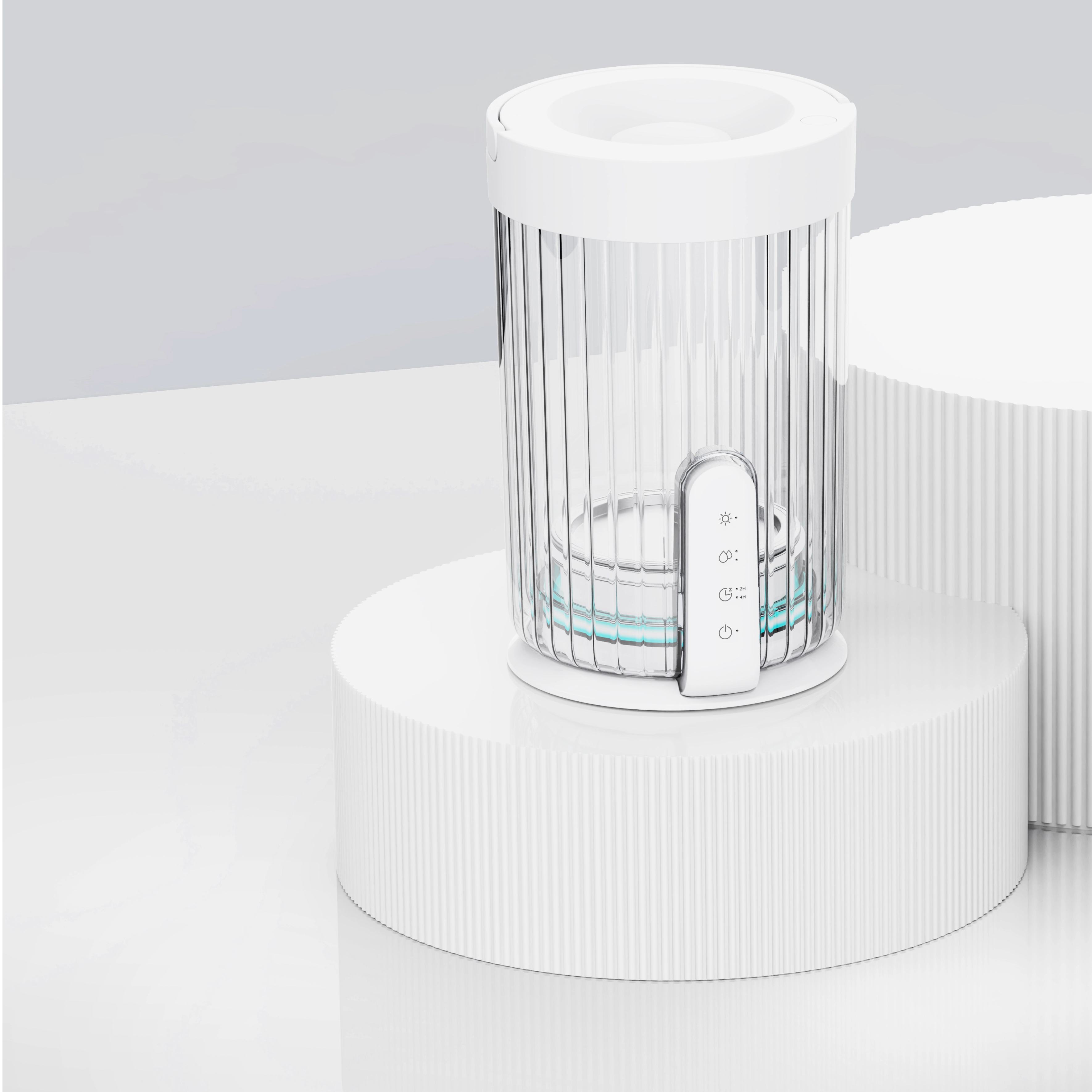
Sinus pressure is closely linked to indoor air conditions, particularly humidity levels. In modern indoor environments, ventilation alone is often insufficient to maintain long-term air comfort.
By using a humidifier for sinus pressure thoughtfully and consistently, it is possible to create a more comfortable breathing environment and reduce the impact of dry air. Treating humidity management as part of everyday air care can support overall comfort and long-term well-being.
Email: Jelly.wang@smillon.com